
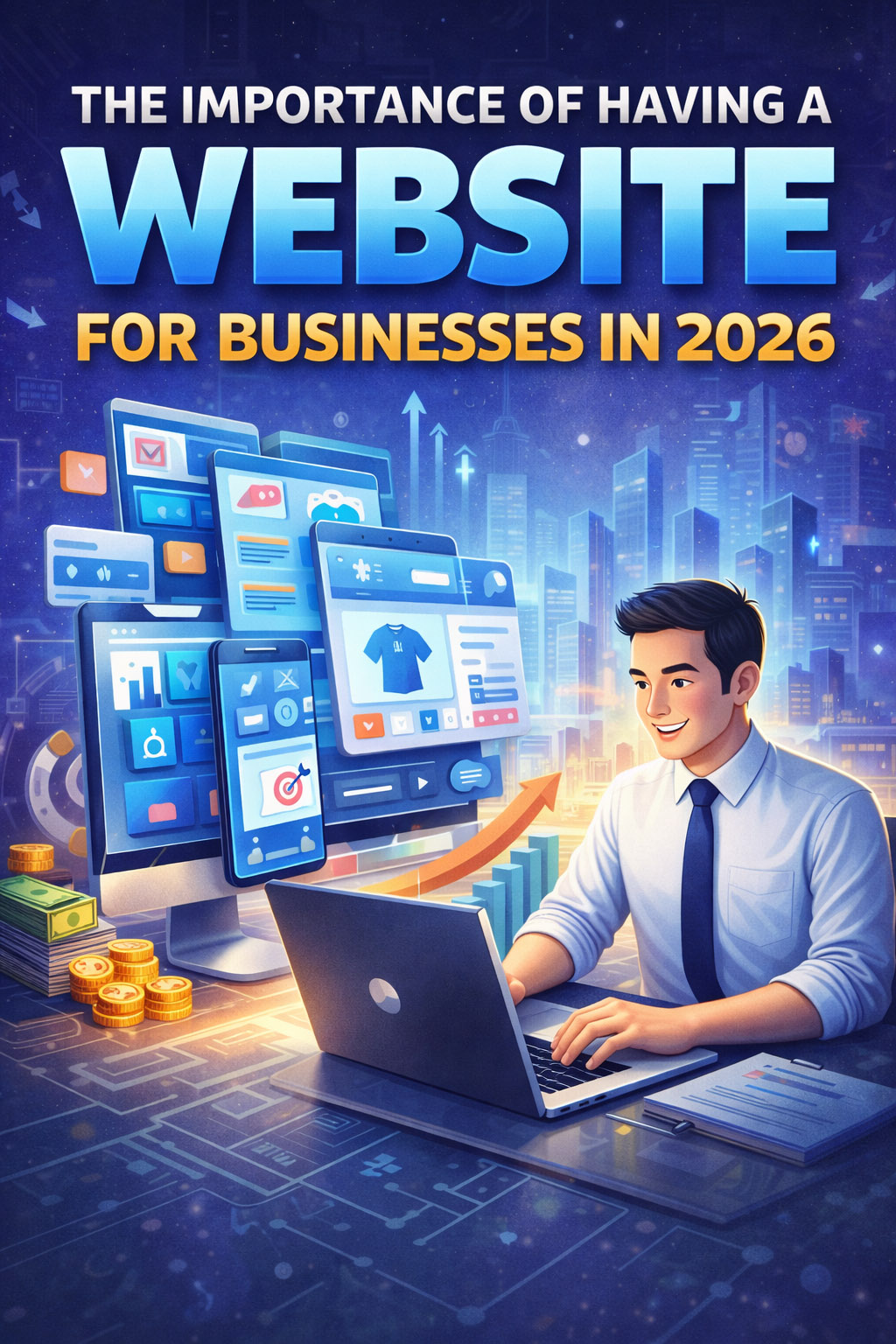
Introduction:
With technological advancements continuously reshaping our world, having a strong online presence has become crucial for businesses in all sectors. By 2026, the role of a website will be even more significant as digital transformation continues to revolutionize the way companies interact with their target audiences. In this article, we’ll discuss why businesses need to have a website in 2026 and how it can benefit them.
1. Online Visibility:
In today’s interconnected world, consumers seek information online before making any purchasing decisions. A website acts as a digital storefront, allowing potential customers to discover your business easily through search engines like Google. By having an optimized website that reflects your brand identity, you improve your chances of being found by people who are actively searching for the products or services you offer.
2. Brand Building and Credibility:
A professional-looking website is essential in establishing a strong online presence. It serves as a platform where businesses can showcase their expertise, share their stories, and provide valuable information to their audience. A well-designed website that reflects your brand’s values and mission helps build trust with customers, making them more likely to engage with your business.
3. Customer Engagement and Interaction:
Websites enable businesses to communicate directly with their target market through various interactive elements, such as contact forms, live chat support, blog posts, and social media integration. By engaging with customers online, you can create a loyal community that appreciates your brand’s efforts to keep them informed about new products, promotions, or industry trends.
4. E-commerce Opportunities:
As the digital landscape evolves, more consumers are turning towards online shopping for convenience and accessibility. A website provides businesses with the ability to set up an e-commerce platform where customers can browse products, read reviews, compare prices, and make purchases from the comfort of their homes. This opens up new revenue streams for companies looking to expand their customer base and boost sales.
5. Data Collection and Analysis:
Websites are an invaluable source of information when it comes to understanding your target audience’s behavior and preferences. By incorporating tools like Google Analytics into your website design, you can track user activity, monitor conversion rates, and gain insights that help optimize marketing strategies, improve the user experience, and enhance overall business performance.
6. SEO Benefits:
Search engine optimization (SEO) is critical for driving organic traffic to a business’s website. By implementing effective SEO techniques such as keyword optimization, meta tags, and high-quality content, companies can increase their visibility in search results and attract more qualified leads who are actively searching for what they offer online.
7. Accessibility Across Devices:
With the increasing popularity of smartphones, tablets, and other mobile devices, it’s essential to ensure that your website is responsive and easily accessible on all platforms. A mobile-friendly design not only offers a seamless user experience but also caters to the growing number of users who prefer accessing information through their mobile devices.
8. Content Creation:
A website allows businesses to create content in various formats such as blog posts, videos, infographics, and downloadable resources. This valuable content can be used to educate customers about your industry, showcase expertise, drive traffic, and even attract potential talent seeking employment opportunities within the company.
Conclusion:
Having a website is no longer a luxury but a necessity for businesses looking to thrive in today’s digital age. By 2026, it will become increasingly important for companies to establish an online presence that showcases their brand, engages customers, and drives revenue growth through e-commerce opportunities and effective SEO strategies.
In summary, investing in a professional website not only ensures visibility, credibility, and customer engagement but also paves the way for future-proofing your business against the ever-evolving digital landscape. As we move closer to 2026, it’s crucial for businesses to understand the significance of having a website that aligns with their brand goals and adapts seamlessly across various devices.